

Art is undoubtedly a great passion that inspires and unleashes creativity. It doesn't matter if it's your hobby, one of your talents, or if you want it to be your profession, art is incredible because it allows you to create and experiment all the time. Among all the possibilities that exist, painting has become very popular. That's why we're telling you about acrylic paint uses and characteristics. This way, you'll have more knowledge when creating your artworks.

What is acrylic paint?
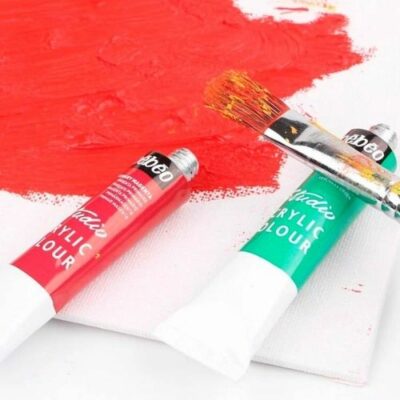
Let's start with the basics to give you a broader overview. Acrylic paint is based on the mixture of pigments with synthetic resins. As a result, it is water-soluble, unlike other types of art paint. This means it is more practical to use and less expensive. This type of paint comes in many color ranges, is easy to mix, and you can achieve different effects depending on the amount of water you add. At Panafargo, we have various acrylic paint products according to your intended use, which we will discuss below.
Acrylic paint uses
Because it is water-soluble, it is very practical to apply on different surfaces. Thus, the most common uses for acrylic paint are:
- Painting on ceramic
- Painting on fabric
- Painting on wood
- Painting on cardboard
- Painting on paper
As you can see, there are plenty of uses for acrylic paint. Additionally, it dries very easily, so you can transport your artworks or protect them more easily. What's more, it is key for creating beautiful graffiti, as it is widely used for its resistance and easy contact with walls.
Additional uses
Since it adheres easily to different surfaces, it is used to complement other craft products. Thus, it is common to use it for painting plaster, foam, or as part of the decoration of artworks beyond painting, such as sculptures and wood engravings. But apart from acrylic paint uses, it is important to complement your art kit with other painting materials. The most important are:
Brushes: Essential for painting; they come in different sizes and shapes according to the details you need.
Sealer: Prevents your acrylic paint from looking porous, giving it a smooth effect.
Paint base: Allows you to combine three or more acrylic paint colors without them
mixing into very dark tones. Ideal for painting different shades with a single coat.
Canvases: Yes, canvases are not just for oil; they are also excellent for acrylic paint because they easily retain color.
Painting palette: Perfect for not having to move around so much to rinse your brushes; plus, your paint lasts much longer.

What to do to prevent my acrylic paint from getting damaged
To preserve the quality and durability of your acrylic paint, follow these tips:
- Proper storage: Store your paint tubes in a cool, dry place, away from direct sunlight and extreme heat.
- Airtight seal: Make sure to close paint tubes tightly after use to prevent them from drying out.
- Tool cleaning: Clean your brushes and utensils with warm water and soap after each use to prevent paint from accumulating and hardening.
- Avoid contamination: Do not mix acrylic paint with other types of paint, as this can affect its quality and durability.
- Thin layers: Apply paint in thin, even layers to prevent cracking or peeling over time.
- Final sealing: Once your artwork is finished and completely dry, you can apply a clear acrylic sealant to protect the paint and give it a durable finish.
By following these tips, you can keep your acrylic paints in optimal condition and enjoy your artworks for a long time.
How to protect the paintings I make with acrylic paint?
To protect paintings made with acrylic paint and ensure their durability over time, consider the following steps:
- Wait for complete drying: Make sure your paint is completely dry before applying any type of protection. This can take several days, depending on the thickness of the paint and environmental conditions.
- Apply a sealant: Use a transparent acrylic spray or liquid sealant to protect the surface of your painting. This sealant will create a protective layer that will help prevent damage from moisture, dust, and ultraviolet light.
- Apply thin coats: Apply the sealant in thin, even layers, following the manufacturer's instructions. Avoid applying too much sealant at once, as this can cause drips or stains.
- Allow to dry between coats: Make sure to let each coat of sealant dry completely before applying the next. This will help prevent the formation of bubbles or unwanted marks on the surface of your painting.
- Proper storage: Once your painting is protected, store it in a cool, dry place, away from direct sunlight and humidity. You can also consider framing your artwork with a quality frame to provide additional protection.
By following these steps, you can protect your acrylic paintings and enjoy them for many years.
Panafargo, your ally for art
After learning about acrylic paint uses and main characteristics, you might be thinking, "Where can I get it?" The answer is simple: at Panafargo, you can easily buy all your stationery and various items for home delivery. Contact us on WhatsApp and you'll receive all the necessary advice to get your supplies as soon as possible. It's time to paint!