


Oil painting is an excellent way to stimulate your creativity, and it is one of the most important art forms throughout history. If you are taking your first steps into the art world, either because it is your hobby or a passion you are just discovering, you can't miss these oil painting techniques that Panafargo brings to you.
Oil Painting Techniques
Here are some of the most well-known options that are ideal for beginners:
1. Chiaroscuro
This is one of the best ways to start understanding the use of light and shadow in your paintings. This technique consists of creating a point from which light flows to the rest of the scene. Thanks to this, you can gradually accentuate details and generate volume. To execute this oil painting style, you will need filbert brushes, which are key to creating darker areas on the canvas due to their flat profile and rounded tips.
2. Layer Painting
This is one of the most common and used oil painting techniques throughout history. Mastering it allows you to have sufficient foundations to start painting more complex works and practice basic steps more frequently. This style is also known as wet-on-dry, and as its name indicates, you need to let each layer dry completely before painting the next. If you are patient and execute the process in order, you will have a magnificent work.
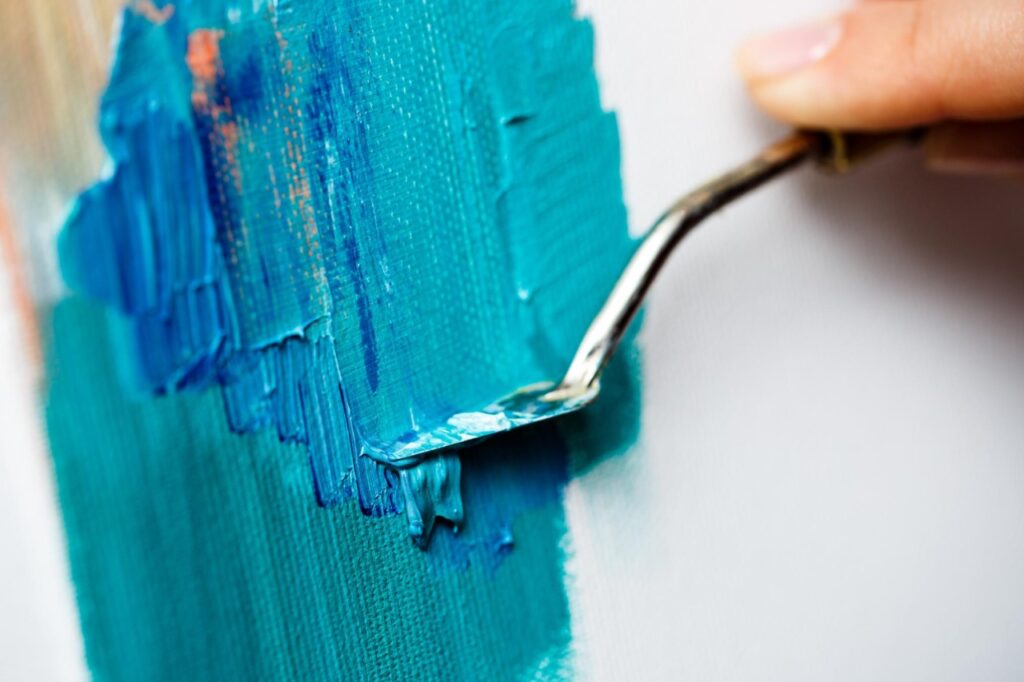
3. Impasto
If you like textures, this oil painting art technique is perfect for you. In it, a large amount of paint, almost dry, is applied and spread across the canvas with the help of a palette knife. Among oil painting techniques, learning to use palette knives can make a difference, as you will have more tools at your disposal to create more detailed and impactful works.
4. Scumbling
Mastering different tools when painting is key to constantly improving while you practice. In this sense, the scumbling technique can help you a lot, and it's super fun. It consists of taking paint with little thinner, dipping a sponge in it, and then slowly rubbing it onto the canvas. Controlling the amount of pigment and the movements you make with your hand will allow you to create clouds, fog, grass, and even trees in a different way than the more conventional methods. At Panafargo, we have painting sponges and foam brushes available, excellent for creating wonderful landscapes with this technique.
5. Sfumato
Sfumato is used to achieve soft transitions between colors, resulting in a diffused effect ideal for portraits or atmospheric landscapes. To achieve this, apply two contiguous colors on the canvas and, with a dry brush or a sponge, blend the edges where both colors meet until you obtain a uniform transition.
6. Scumbling
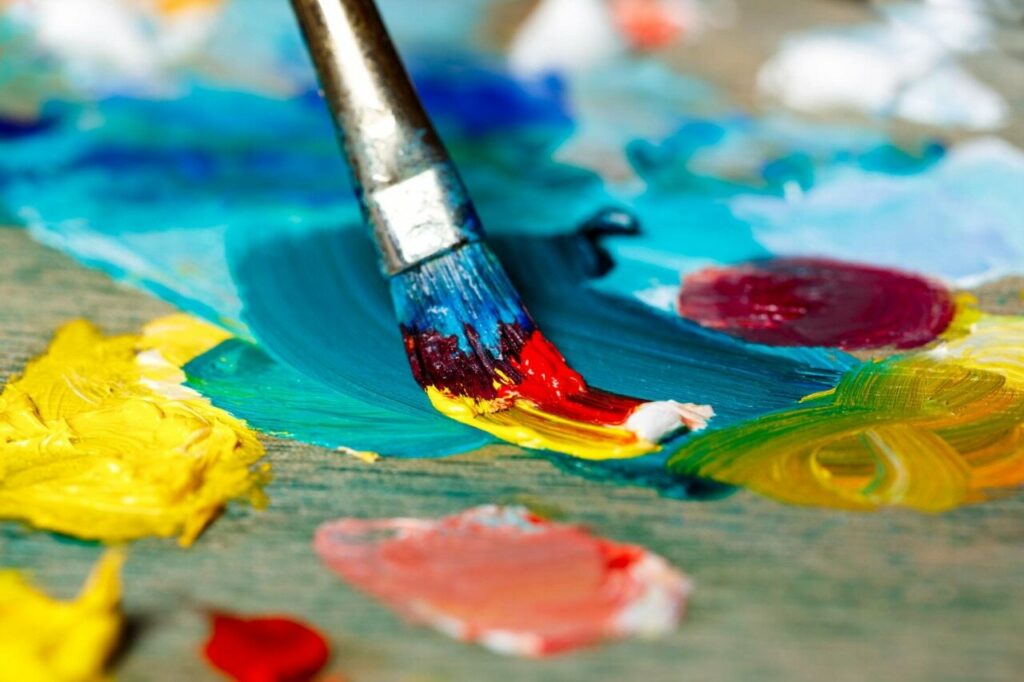
Scumbling (or "dry glazing") involves applying a thin layer of dry, opaque paint over an already painted surface. This creates a textured and slightly translucent effect that adds visual richness. Load the brush with very little paint and make sure it is almost dry, then gently sweep the brush over the canvas, letting the underlying layers show through. This is ideal for details such as skies or textures in landscapes.
7. Staining
This oil painting technique involves applying very diluted paint to create a watercolor or stain effect. It is excellent for quickly laying down a base color or creating abstract backgrounds. Mix a large amount of solvent with the oil paint to make it more liquid, apply the diluted color with large brushes or even a rag. Work quickly, as the solvent evaporates rapidly.
8. Controlled Splattering
Although more common in modern techniques, splattering can be used with oil paint to add dynamism and energy to your compositions. To do this, mix the oil paint with a little turpentine to make it more liquid; use a stiff brush or a toothbrush to splatter paint onto the canvas. Control the direction and density to create interesting effects.
Practical tips for beginners:
- Invest in varied brushes: try brushes of different shapes and sizes to explore textures.
- Practice on small formats: work on small canvases to practice without fear of major mistakes.
- Constant cleaning: clean your brushes regularly to keep colors pure.
Made for you: How to keep brushes in good condition?
Exploring the oil color palette
In exploring the oil color palette, a world of creative possibilities opens up by delving into color theory and its application in painting. Understanding the color wheel, chromatic relationships, and color psychology is fundamental for artists who wish to master this technique. The color wheel allows for identifying harmonious and contrasting combinations, while understanding tonal and saturation properties helps create dynamic and expressive visual effects.
A key part of exploring the oil color palette is experimenting with different chromatic combinations and mixing techniques. This includes playing with warm and cool tones, complementary and analogous colors, as well as tonal values to create depth and dimension in the work. Varying the saturation of colors can also add visual interest and convey specific emotions.
Abstract Oil and Expressionism
The world of abstract art and expressionism in oil painting offers a vast terrain for personal expression and creative exploration. In abstract art, artists seek to move away from the faithful representation of reality, opting for forms, colors, and textures that convey emotions, ideas, and abstract concepts in a non-figurative way. In this sense, oil painting and techniques become a powerful medium to channel creativity and express the artist's inner world in a unique and personal way.
Exploring techniques and approaches in abstract oil and expressionism involves experimenting with the application of color, texture, and gesture. Artists can use brushes, palette knives, palettes, and other tools to create layers of paint that convey energy, movement, and emotion. Manipulating oil paint on canvas becomes an act of physical and emotional expression, where each brushstroke and each gesture are a manifestation of the artist's mind and heart.
EXPLORE ALL ART PRODUCTS
Oil Painting Supplies with Panafargo
Now that we've told you about these four oil painting techniques for beginners, you might be wondering where you can find painting supplies. The answer is simple: at Panafargo, you'll find everything you need. Our art store distributes a wide variety of products and brands for you to choose from at your convenience. Additionally, our team is trained to help you choose according to your needs. Contact us, you know where to buy oil painting supplies, and we are delighted to accompany you on your artistic journey.
LET'S TALK