


Did you know there are several types of erasers designed for different surfaces and materials? Using the right eraser can make the difference between a clean sheet or damaged paper. If you usually work with pencil, charcoal, ink, or art materials, this topic is for you. Today I'll tell you which one is for what, how to choose them, and why some simply don't work for everything.

Types of erasers: which one works best depending on the surface?
When we talk about types of erasers, there are many more options, and each one responds to a different need. From illustrators to students, we can all benefit from a good eraser... if we know which one to choose.
Gum eraser: precision without damaging the paper
This type of eraser is very common and is recognized by its white color. It is ideal for erasing pencil on conventional paper. Its soft texture allows it to glide without damaging the sheet, so if you work with low-grammage paper, this might be your best option.
- Recommended for: bond paper, recycled paper, school notebooks.
- Surfaces: smooth, untraversed.
- Avoid using on: rough or porous surfaces.
Kneaded eraser: the artist's ally
Its malleable shape makes it unique. It doesn't scratch the paper, leaves no residue, and adapts to small areas. It is perfect for charcoal, graphite, and soft pencils. What it does is "absorb" the pigment instead of dragging it. Of course, you have to knead it from time to time for it to continue working well.
-
Recommended for: artistic drawing, sketches, portraits.
Surfaces: art paper, cotton paper. - Avoid using on: hard pencils or waxed surfaces.
Rubber eraser: the most common (and most underestimated)
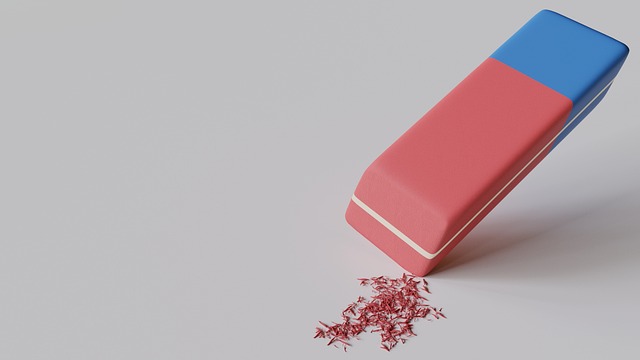
This is one of the types of erasers you've probably seen thousands of times. It's inexpensive, easy to get, and works for erasing pencil in general. Although it's not the most delicate, it does its job well. The downside is that it can tear the paper if too much force is applied.
- Recommended for: school tasks, quick notes.
- Surfaces: bond paper, thin cardstock.
- Avoid using on: very thin or damp papers.
Explore: Writing supplies
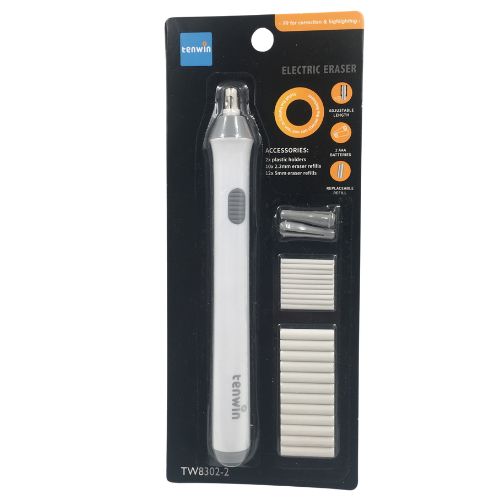
Electric eraser: erasing with millimeter precision
Yes, it exists. It runs on batteries and allows for very precise erasing, ideal for fine details. It is mostly used in technical drawing or professional art. It is not as common in school settings, but if you draw frequently, it is a great investment.
- Recommended for: blueprints, comics, technical illustrations.
- Surfaces: vellum paper, illustration paper.
- Avoid using on: sheets with wet pigments.
Ink eraser: when the mistake is inked
Not all erasers are for pencil. Ink erasers are especially used with erasable pens. They contain an abrasive layer that removes part of the ink but can damage the paper if not used carefully.
- Recommended for: corrections in exams, planners.
- Surfaces: matte paper, notebook.
- Avoid using on: glossy or very thin paper.
How to choose erasers for each surface?
The key is to know your paper and your writing tool. It's not the same to use an HB pencil in a school notebook as it is to make a charcoal illustration on art paper. These details matter a lot.
Smooth vs. rough paper
Smooth papers don't need aggressive erasers. In contrast, rough papers require materials that won't disintegrate with friction. That's why kneaded and electric erasers work so well in art.
Fine or thick strokes
Fine strokes that need precision? Go for an electric or gum eraser. Shades or broad areas? Kneaded eraser to the rescue.
Pencil type
If you use soft pencils (2B, 4B, 6B), soft erasers are your best bet. For hard pencils (H, 2H), a rubber or gum eraser might work well.
Importance of choosing the right types of erasers
1. You avoid damaging the paper
There are erasers for every surface because each has a different texture and abrasion level. If you use a very aggressive one on thin or porous paper, you will most likely end up tearing or wrinkling it. Using the correct eraser keeps your sheets intact.
2. You improve stroke cleanliness
A good eraser not only removes the stroke but does so without leaving residue or smudges. For example, gum or kneaded erasers clean precisely without dragging graphite or dirtying the area.
3. You save time and material
Erasing with the correct tool reduces the number of passes needed. This prevents wear and tear on the paper, pencils, and your tools in general. Additionally, you don't need to redo everything if you mess up part of the drawing or text.
4. You increase precision in your corrections
In detailed work such as illustrations or blueprints, a specific eraser like an electric or kneaded eraser gives you total control. You can erase only what you need, without affecting the rest.
5. Each surface responds differently
Erasing on a common sheet of paper, art paper, or textured cardstock is not the same. Erasers for each surface require that they leave no residue, do not crumble easily, and do not affect the material.
You might be interested in: The importance of taking notes by hand

Choose wisely and improve your work from the first stroke
Choosing the right eraser may seem like a minor detail, but it makes a difference. Each surface and each writing tool has an ideal eraser. If you know which one to use, you will avoid errors, smudges, and even wrinkles on the paper. At Panafargo, you can find all the types of erasers you need, whether for your work, your classes, or your artistic projects. Visit us!
EXPLORE STORE LET'S TALK