


If you're an entrepreneur, business owner, or have a business, you've probably heard of a cash receipt. However, not everyone knows its true purpose or how to draft it correctly. At Panafargo, we explain what it is, what it's used for, and why it's a key document for maintaining accurate accounting control.
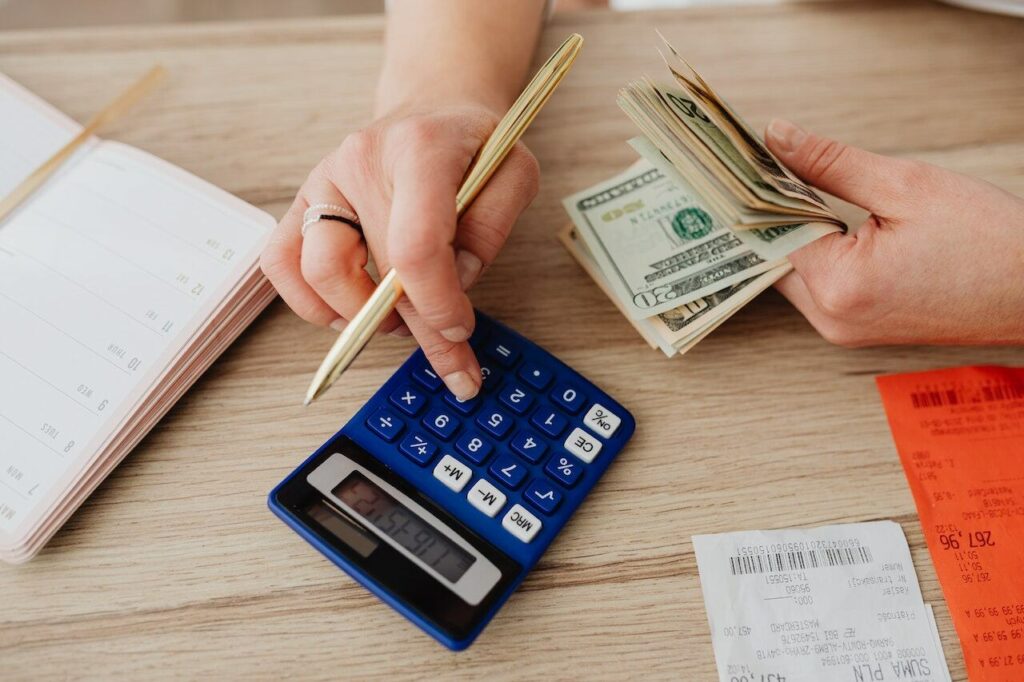
What is a cash receipt?
It is a document used to record and verify all cash inflows received by a company or business. That is, every time a customer pays in cash for a product or service, this receipt is issued as proof of that transaction.
Unlike other accounting documents, a cash receipt is used exclusively for cash movements. It is ideal for maintaining organized documentation and detailed control of a company's finances, thereby effectively meeting tax obligations. Additionally, this document allows for quick identification of any potential errors or irregularities in cash transactions.
What is a cash receipt used for?
It has fundamental functions in financial administration:
1. Income recording
It allows for an organized record of all cash inflows received by a company, avoiding confusion between payments.
2. Accounting and tax control
As an official document, it helps maintain precise financial control and comply with tax obligations, which is crucial during audits.
3. Detection of errors and irregularities
Detailed recording of each transaction facilitates quick identification of errors, cash shortages, or potential internal irregularities.
How should a cash receipt be drafted?
The drafting of cash receipts is very important, as it must be clear and precise to avoid confusion and misunderstandings. Below, we show you some of the important elements that a cash receipt should contain:
- Company name or business name
- Receipt number and date of issue
- Client name
- Client address
- Transaction details (Product or service and its cash value)
- Signature and seal of the person in charge of issuing the receipt
It is very important that this accounting document is consecutively numbered to maintain an orderly control of the organization's transactions. Additionally, it is advisable to keep a copy of the receipt for future reference or audits. It is also important to consider the book of Accounting Standards to stay up-to-date with each process.
Recommendations for correct drafting
- Number cash receipts consecutively for orderly control.
- Keep a copy of the cash accounting receipt for future audits or reviews.
- Consult the Accounting Standards book to ensure compliance with current legal requirements.
Why is it important to have a cash receipt?
- Accounting record: A cash accounting receipt is an accounting record of a financial transaction that can be used to maintain an accurate and orderly record of the organization's financial operations.
- Internal control: Cash receipts are an important tool for internal control and risk management. It helps ensure that all transactions are accurate and properly documented, which can reduce risks and fraud.
- Audit and review: These documents can also be useful during an audit or financial review, as they provide documentary evidence of financial transactions.
Common errors when handling cash receipts
- Not numbering them consecutively: makes tracking transactions difficult.
- Omitting client or transaction details: can lead to confusion or accounting errors.
- Not keeping copies: in an audit, lack of backup can lead to legal or tax problems.
You might be interested in: Petty cash receipt

Tips for optimizing its use
- Digitize your records: complement physical control with digital accounting systems.
- Train the responsible staff: ensure they know the legal requirements and how to fill out the document correctly.
3. Periodically review receipts: conduct internal audits to identify inconsistencies.
Do you have any questions?
How many types of cash receipts are there?
There are mainly two types: the general receipt, used for any cash income, and the accounting cash receipt, specifically designed for transactions that directly affect the accounting books. Knowing the difference helps correctly record each operation.
Can a digital receipt be used?
Yes, many companies already implement digital systems to issue cash receipts. These electronic documents have the same legal validity as physical ones, provided they comply with current accounting regulations and are properly stored as backup for audits.
An essential document for accounting
The cash receipt is more than just a proof of payment; it is a key element for the financial organization of any business. It allows for control of income, prevention of fraud, and ensures transparency in accounting. Maintaining clear and orderly records with each cash accounting receipt is the best way to demonstrate professionalism and comply with tax regulations.
Do you need cash receipt formats for your business? At Panafargo, you will find practical and high-quality accounting solutions to keep your accounting in order.
LET'S TALK